

 English
 Pусский
 한국어
한국어 ไทย
ไทย
Transparent
Transparent materials have transformed modern design, technology, and daily life by allowing light and vision to pass through while still providing structure, protection, or separation. The most familiar examples are glass and clear plastics, but the concept of transparency extends to coatings, films, and advanced composites used in electronics, architecture, and transportation.At the physical level, transparency arises when a material does not strongly absorb or scatter visible light. Its internal structure allows photons to pass through with minimal interaction, so objects behind it can be seen clearly. Imperfections, internal stresses, or chemical additives can reduce transparency, turning a clear material cloudy, tinted, or opaque. This sensitivity is why manufacturing conditions and material purity are so critical for transparent products.In everyday environments, transparent surfaces shape how spaces feel and function. Large windows and glass walls open interiors to natural light, improving comfort and reducing the need for artificial lighting during the day. Transparent partitions allow visual connection while still providing acoustic separation and climate control. In vehicles, clear windscreens and windows combine visibility with safety, often incorporating laminated layers that hold fragments together in case of impact.Transparent materials are also essential in optics and electronics. Lenses in cameras, microscopes, and eyeglasses rely on highly transparent glass or polymers with carefully controlled refractive indices. Screens on phones, tablets, and monitors use transparent layers that conduct electricity, enabling touch sensitivity while preserving image clarity. In solar technology, transparent covers protect photovoltaic cells while letting sunlight reach the active layer efficiently.The aesthetic qualities of transparency are equally important. Designers use clear or translucent elements to create a sense of openness, lightness, and depth. Overlapping transparent layers can produce subtle visual effects, reflections, and shadows that change with viewing angle and time of day. Furniture, lighting fixtures, and decorative objects made from clear materials often appear to “disappear” into their surroundings, making spaces feel larger and less cluttered.Sustainability and durability present ongoing challenges. Traditional transparent materials can be heavy, fragile, or difficult to recycle. This has encouraged the development of impact‑resistant polymers, chemically strengthened glass, and hybrid structures that combine clarity with tough performance. At the same time, coatings can add new functions: anti‑scratch, anti‑fog, self‑cleaning, UV‑blocking, or glare‑reducing surfaces extend the usefulness and lifespan of transparent products.Beyond the physical, transparency carries strong symbolic meaning. It is associated with openness, honesty, and visibility—allowing people to see what is usually hidden. In architecture, clear facades may express accessibility and connection between inside and outside. In user interfaces, transparent overlays suggest layering of information and context, helping users understand what actions affect which elements.As materials science advances, transparency is being reimagined. Researchers are exploring switchable transparent systems that can change from clear to opaque on demand, transparent conductive networks for flexible electronics, and even transparent structural elements capable of bearing significant loads. These innovations point toward a future in which transparency is not only a visual property but a platform for integrating light, information, and structure in more seamless ways.
Produk
Kategori:
-
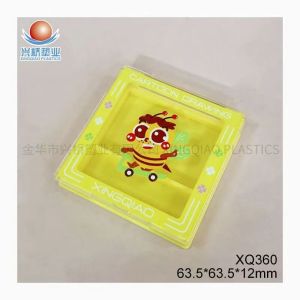
Single-compartment blush with brush slot XQ360
Klasifikasi mereka: Kuas KosmetikTampilan: 653Nomor:Waktu rilis: 2025-12-08 10:11:03This powder blusher box packing material "powder blusher+brush" is integrated, so you don't need to look for tools everywhere when repairing makeup. -
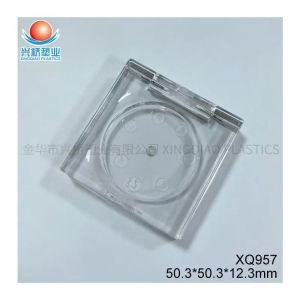
Outer square inner circle style packaging
Klasifikasi mereka: Kotak PlastikTampilan: 474Nomor:Waktu rilis: 2026-03-10 03:51:34This compact palette takes up almost no space in a makeup bag, making it easy to carry for everyday outings or travel. Its exquisite design makes it feel like a work of art, exuding style. -
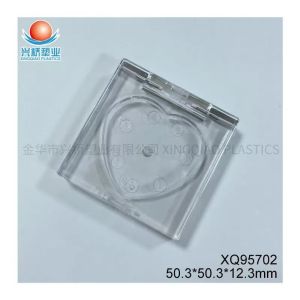
Heart-shaped packaging
Klasifikasi mereka: Kotak PlastikTampilan: 539Nomor:Waktu rilis: 2026-03-10 03:53:54The single-compartment design is simple and elegant, allowing you to freely place eyeshadow, blush, highlighter, and other products according to your usage habits and preferences, making it convenient and practical. -
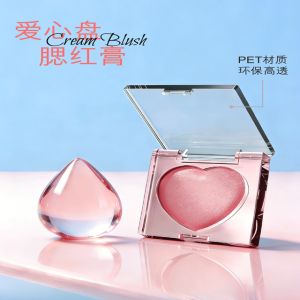
Heart-shaped blush cream
Klasifikasi mereka: Kotak PlastikTampilan: 546Nomor:Waktu rilis: 2026-03-24 03:38:02Heart-shaped blush cream,Made of PET material, environmentally friendly and highly transparent -
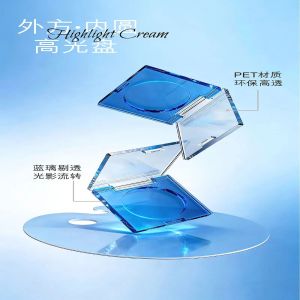
Outer square inner circle high-resolution optical disc
Klasifikasi mereka: Kasus kosmetikTampilan: 524Nomor:Waktu rilis: 2026-03-25 04:04:39Made of PET material, environmentally friendly and highly transparent, with a clear blue tint and shimmering light. -
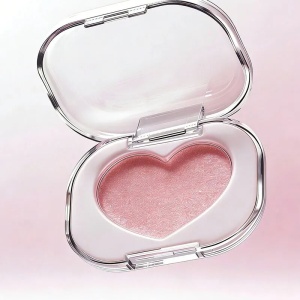
Heart-shaped blush palette
Klasifikasi mereka: Kasus kosmetikTampilan: 534Nomor:Waktu rilis: 2026-03-31 03:15:07Made of PET material, environmentally friendly and highly transparent, it adds a touch of healthy color, and the heart shape hides a clever design. -
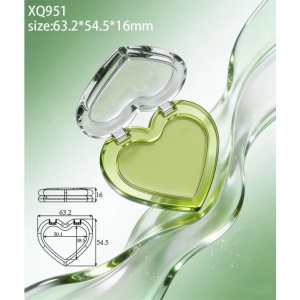
Delicate heart-shaped lip mud box
Klasifikasi mereka: Kotak PlastikTampilan: 525Nomor:Waktu rilis: 2026-04-07 03:38:19PET material, environmentally friendly and highly transparent. -
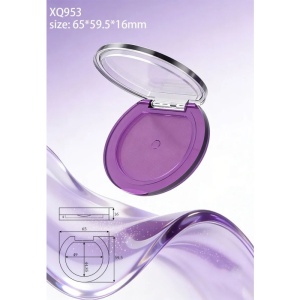
Horseshoe Highlight Disc
Klasifikasi mereka: Kotak PlastikTampilan: 533Nomor:Waktu rilis: 2026-04-08 03:07:09Made of PET material, environmentally friendly and highly transparent, irregularly shaped to reflect light, it shines brightly when held. -
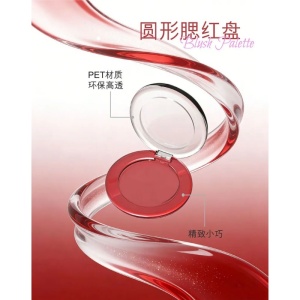
Round blush palette
Klasifikasi mereka: Kotak PlastikTampilan: 550Nomor:Waktu rilis: 2026-04-13 03:34:30Made of PET material, environmentally friendly and highly transparent, exquisite and compact. -
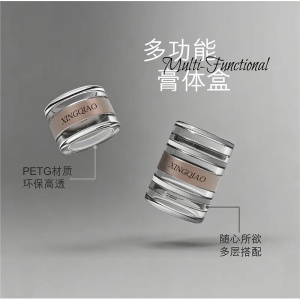
Multifunctional ointment box
Klasifikasi mereka: Kasus kosmetikTampilan: 541Nomor:Waktu rilis: 2026-06-04 08:45:42Made of PETG material, environmentally friendly and highly transparent.Mix and match as you like, layer as you like. -
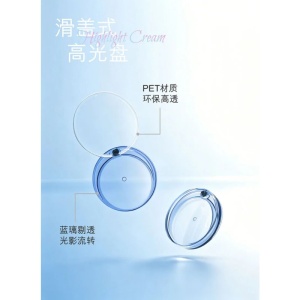
High-resolution optical disc
Klasifikasi mereka: Kasus kosmetikTampilan: 558Nomor:Waktu rilis: 2026-06-10 05:28:43Sliding highlighter disc, made of environmentally friendly and highly transparent PET material, with a clear blue glass finish and flowing light and shadow. -
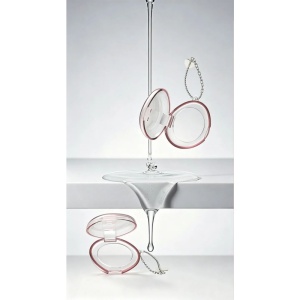
Irregular disk
Klasifikasi mereka: Kasus kosmetikTampilan: 560Nomor:Waktu rilis: 2026-06-16 07:36:53Made of PET material, environmentally friendly and highly transparent, small and exquisite, can be chained.
Berita
Kategori:
Tidak ada hasil pencarian!
Kasus
Kategori:
Tidak ada hasil pencarian!
Video
Kategori:
Tidak ada hasil pencarian!
Download
Kategori:
Tidak ada hasil pencarian!
Rekrutmen
Kategori:
Tidak ada hasil pencarian!
Produk yang direkomendasikan
Tidak ada hasil pencarian!
 Ponsel: +008613868982062
 Faks: +86-579-82196656
 Situs web:
 Alamat: tidak. 377, Jalan Yongxue, distrik kota w U, kota jin, provinsi Z Hejiang



 Telepon