

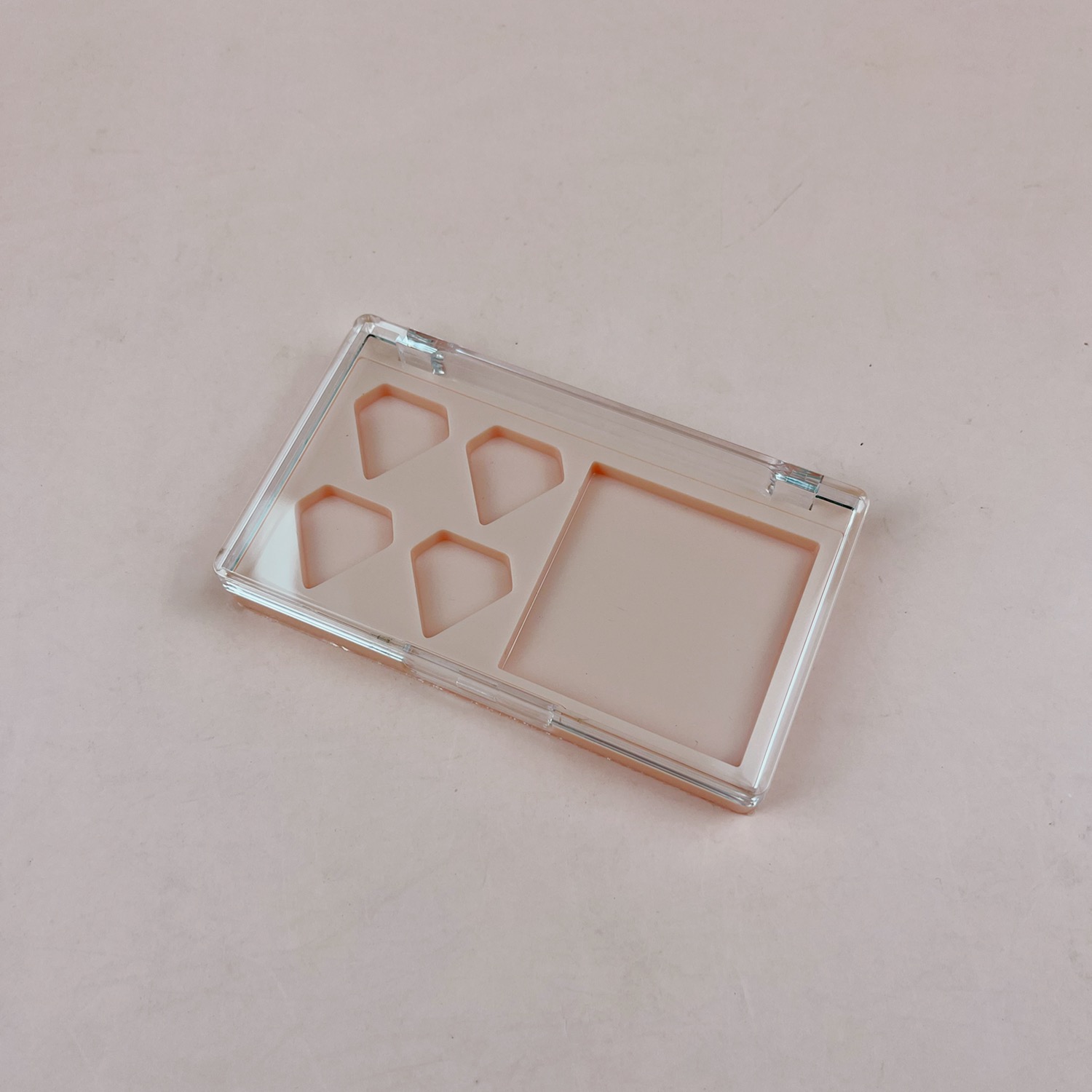
Cosmetic packaging is one of the most powerful tools a beauty brand can use to attract attention, communicate value, and drive sales. On crowded retail shelves and in competitive online marketplaces, packaging often makes the first impression long before a consumer tests the formula. Strategic cosmetic packaging design, materials, and functionality can turn a standard product into a must-have item.
This guide explains how to make your cosmetic packaging stand out on shelves, with SEO-friendly, industry-focused content suitable for cosmetic brands, packaging buyers, and marketing teams. It covers core definitions, design strategies, materials, finishes, sustainability trends, technical specifications, and shelf-appeal optimization.
Cosmetic packaging refers to all containers, components, and materials used to protect, store, display, and dispense cosmetic and personal care products. It includes:
In the beauty industry, cosmetic packaging plays multiple roles: it protects formulas from contamination, oxidation, and breakage; it supports regulatory compliance; and it acts as a marketing and branding tool on retail shelves and e‑commerce platforms.
On shelves filled with similar products, consumers have only seconds to notice, evaluate, and select. Cosmetic packaging that stands out can dramatically improve conversion and brand recognition. Key reasons packaging matters for shelf impact include:
| Metric | Description | Impact on Shelf Performance |
|---|---|---|
| On-shelf visibility | How easily the product is spotted among competing items. | Higher visibility increases product discovery and brand awareness. |
| Readability | Ease of reading brand name, product type, and key claims from typical shelf distance. | Improves shopper understanding and speeds up purchase decisions. |
| Brand recognition | Degree to which packaging is associated with a specific brand. | Encourages loyalty and repeat purchases. |
| Perceived quality | Consumer judgment of product value based on packaging cues. | Affects willingness to pay and perceived effectiveness. |
| Functional usability | How easy it is to open, close, and dispense the product. | Positive user experience encourages ongoing usage and word of mouth. |
To make cosmetic packaging stand out on shelves, brands must balance creativity with clarity, usability, and cost. The following design principles help achieve a packaging solution that is both visually striking and commercially effective.
Color is one of the first visual elements noticed on shelves. The right color strategy can help your cosmetic packaging communicate mood, category, and price positioning.
| Color Family | Typical Associations in Cosmetics | Use Cases |
|---|---|---|
| white / Neutrals | Clean, clinical, minimalist, gentle. | Skincare, dermatologist-inspired lines, sensitive skin products. |
| Pastels | Softness, youthfulness, approachability. | Body care, bath products, mass-market cosmetics. |
| Black / Deep tones | Luxury, sophistication, high-end formulas. | Prestige makeup, premium skincare, niche fragrances. |
| Metallics (Gold, Silver, Rose Gold) | Opulence, exclusivity, anti-aging, premium value. | Anti-aging creams, limited editions, holiday collections. |
| Green / Earth tones | Natural, organic, eco-conscious. | Clean beauty, botanical skincare, sustainable lines. |
| Bold bright colors | Energy, fun, trend-driven, expressive. | Color cosmetics, youth-focused brands, seasonal launches. |
Unique shapes and structural elements can make cosmetic packaging stand out on shelves through silhouette and 3D presence.
Cosmetic packaging should be part of a coherent visual system. Consistency increases shelf impact by creating a recognizable “block” of products.
Primary cosmetic packaging is the first point of contact between the product formula and the consumer. Choosing the right primary packaging improves product performance, shelf appeal, and user experience.
Bottles are widely used for liquid and semi-liquid cosmetic products such as toners, lotions, shampoos, and body washes.
| Parameter | Common Options | Impact on Shelf Presence |
|---|---|---|
| Materials | PET, HDPE, glass, PP, PCR plastics, bio-based plastics. | Glass conveys premium quality; PET and PCR plastics support lightweight and sustainable claims. |
| Shapes | Round, oval, Square, rectangular, custom geometries. | Non-standard shapes improve recognition and create a trademark silhouette. |
| Closures | Flip-top caps, screw caps, pumps, sprayers. | Visible, high-quality closures suggest functional ease and durability. |
| Sizes | 30 ml to 1000 ml (1 oz to 34 oz) typical ranges. | Smaller bottles often signal premium positioning; larger sizes suggest value and everyday use. |
Jars are commonly used for creams, masks, balms, butters, and scrubs where the user needs to scoop out product.
Squeeze tubes are popular for creams, cleansers, gels, and travel-size products due to their convenience and low weight.
| Tube Type | Description | Typical Use |
|---|---|---|
| Mono-layer plastic tube | Single material construction, cost-effective, easy to recycle. | Mass-market face washes, body lotions, hand creams. |
| Multi-layer (laminate) tube | Barrier layer for sensitive formulas; improved protection. | SPF products, whitening creams, active skincare. |
| Metal tube (aluminum) | Excellent barrier, collapses as used, vintage or apothecary look. | Ointments, concentrated creams, premium hand creams. |
Airless cosmetic packaging is designed to protect sensitive formulations from air exposure, reducing oxidation and contamination.
Dropper bottles are essential for concentrated skincare and facial oils where precise dosing is required.
Secondary cosmetic packaging enhances shelf appeal, protects products during transport, and adds extra space for branding and regulatory information.
Cartons are commonly used around primary packaging such as bottles, jars, and tubes, especially for premium or giftable products.
Cosmetic gift sets combine multiple SKUs, often in elaborate packaging that must stand out at retail during peak seasons.
Shrink sleeves, paper sleeves, and wraparound labels increase branding surface without changing the primary container.
Material choice affects not just technical performance but also how cosmetic packaging looks and feels on shelves. Each material carries unique visual and tactile cues that influence consumer perception.
Plastics remain one of the most used materials in cosmetic packaging due to their versatility, light weight, and cost-effectiveness.
| Plastic Type | Characteristics | Common Applications | Shelf Perception |
|---|---|---|---|
| PET (Polyethylene Terephthalate) | Transparent, glossy, impact-resistant, recyclable. | Shampoo bottles, body washes, toners. | Clear view of product enhances trust and color-driven branding. |
| HDPE (High-Density Polyethylene) | Opaque or translucent, robust, chemical-resistant. | Body lotions, cleansers, basic haircare. | Functional, everyday, reliable; less premium than glass or acrylic. |
| PP (Polypropylene) | Lightweight, good heat resistance, used for closures and jars. | Jar caps, inner components, compact parts. | Neutral appearance; can be upgraded with decoration and color. |
| PCR Plastics (Post-Consumer Recycled) | Recycled content, supports sustainability narratives. | Bottles, jars, tubes in eco-conscious lines. | Eco-friendly impression; sometimes with subtle tints or Irregularities. |
Aluminum and tinplate are used for both primary and secondary cosmetic packaging.
Finishing and decoration add final visual and tactile layers to cosmetic packaging, transforming basic containers into standout brand assets.
| Method | Best For | Advantages |
|---|---|---|
| Offset printing | Cartons, labels, high-volume runs. | High-quality detail and color consistency; cost-effective at scale. |
| Digital printing | short runs, customization, seasonal packaging. | No plates required; supports variable data and fast changes. |
| Screen printing | Direct printing on bottles, jars, tubes. | Opaque inks, tactile effects, high durability. |
| Pad printing | Small, curved components such as caps and compact cases. | Prints on complex shapes with good precision. |
Sustainable cosmetic packaging has become essential to brand reputation and consumer preference. Eco-conscious shoppers look for packaging solutions that reduce waste and environmental impact while still maintaining shelf appeal.
To make sustainable cosmetic packaging stand out on shelves, highlight eco-features clearly and credibly:
Standing out on shelves requires combining design, materials, marketing, and merchandising strategies. Below are actionable ways to increase the impact of cosmetic packaging in retail environments.
Cosmetic packaging should communicate its purpose within three seconds:
Tactile elements can draw attention when a shopper picks up a product.
A standout packaging solution must also be practical and pleasant to use. Consumer experience extends beyond shelf appeal to daily interaction with the product.
Cosmetic packaging must meet regulatory requirements while still appealing on shelves. Although specifics vary by region, some elements are universally important.
Integrating regulatory information into cosmetic packaging design requires careful typographic planning so that compliance does not compromise shelf appeal.
Beyond aesthetics, technical specifications ensure that cosmetic packaging performs reliably and is compatible with product formulas and supply chain requirements.
| Specification | Description | Relevance for Standout Packaging |
|---|---|---|
| Volume (ml / oz) | Capacity of primary container. | Influences perceived value, price positioning, and shelf presence. |
| Neck finish | Standardized neck dimensions for closures. | Allows mix-and-match with pumps, sprayers, and caps with unique aesthetics. |
| Wall thickness | Thickness of container walls. | Impacts weight, durability, and premium feel in hand. |
| Barrier properties | Resistance to gas, moisture, and light. | Vital for formulas with active ingredients; supports “high-performance” brand positioning. |
| Drop resistance | Ability to withstand impact without breaking. | Prevents damage in store and enhances perceived quality. |
Following cosmetic packaging trends helps brands stay relevant and competitive while standing out on shelves.
Use this checklist to review new or existing cosmetic packaging concepts.
| Area | Key Questions |
|---|---|
| Brand visibility | Is the brand name clearly readable at a typical shelf distance? |
| Product clarity | Can shoppers instantly understand what the product is and what it does? |
| Visual differentiation | Does the packaging look distinctive compared to direct competitors? |
| Color and typography | Do color choices and fonts align with brand positioning and category expectations? |
| Material choice | Do materials support desired quality perception and sustainability goals? |
| Finishes and decoration | Are finishes used strategically to highlight important elements and create tactility? |
| User experience | Is the packaging easy to open, close, dispense, and carry? |
| Regulatory compliance | Are all required label elements included and legible? |
| Shelf alignment | Has the design been tested in realistic shelf scenarios and planograms? |
| Sustainability | Are eco-features integrated and clearly communicated to consumers? |
Cosmetic packaging is far more than a container; it is a critical marketing tool that shapes first impressions, communicates brand values, and influences purchasing decisions. To make cosmetic packaging stand out on shelves, brands must combine clear communication, strong visual identity, thoughtful materials, and practical usability. By optimizing color strategies, typography, structures, finishes, and sustainability narratives, beauty brands can create packaging that not only captures attention in stores and online but also builds long-term trust and loyalty.
When developing or refreshing cosmetic packaging, consider how every element—from primary containers and secondary boxes to finishes and labeling—works together to convey a compelling story. In a highly competitive beauty market, standout cosmetic packaging can be one of the most effective investments a brand makes in both shelf impact and overall brand growth.
Jinhua Xingqiao Plastik Industry Co, Ltd.
 Ponsel: +008613868982062
 Telepon: +86-579-82196667
 Faks: +86-579-82196656
 E-mail:penjualan@zjxqpackaging.com
 Situs web:http://www.zjxqpackaging.com
 Alamat: tidak. 377, Jalan Yongxue, distrik kota w U, kota jin, provinsi Z Hejiang
Hak Cipta © 2022 Jinhua Xingqiao Plastic Industry Co., Ltd
Situs web ini menggunakan cookie untuk memastikan Anda mendapatkan pengalaman terbaik di situs web kami.

 English
 Pусский
 한국어
한국어 ไทย
ไทย



 Telepon
Komentar
(0)